Basic info for the day
- A trip highlight with some awesome snow-covered alpine scenery on the historic Gornergrat cogwheel train up to 3'135m (10’135ft)
- Experience the Matterhorn at the same eye level along with a 360-degree view of the surrounding highest peaks in Europe including the Monte Rosa Dufourspitz at 4'634m (15,203 ft), the highest point in Switzerland.
- Afternoon at leisure to relax or explore on your own - visit the Matterhorn Museum, browse the shops, or you can get more mountain scenery on your own (your guides can advise).
- Dinner - tonight is a free evening for you to enjoy dinner on your own at one of the many restaurants in Zermatt - see list of recommended places on the Vamoos app (we recommend you book a table in advance). Alternatively you can dine in the hotel restaurant - ask Reception to book a table for you.
Suggestions for what to see or do in Zermatt
Walk through the old village (Hinterdorf)
See 30 traditional mazot wooden buildings - barns, stores, stables, old houses - all built between 16th and 18th centuries, many set on stone stilts to keep out the rats and mice.
The buildings are made of larch wood, rich in resin and resistant to pests. The roofs are heavy stone slabs which compress the timber supports; exposure to the elements darkens the wood and turns it black so more effective at absorbing and storing heat.

Walk of Climb
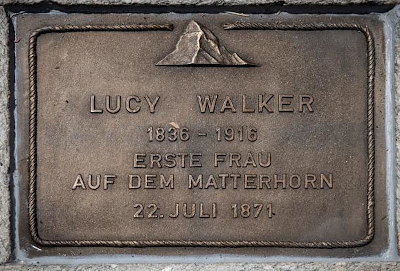
Follow the 9 bronze markers in memory of the 1st climbers of the Matterhorn of 1865. The markers were set in the paving along the Bahnhofstrasse in 2015 to mark the 150th anniversary of the 1st ascent of the Matterhorn. Two more markers are in honor of the first women climbers of the Matterhorn who climbed it in 1871.
St Mauritius Catholic Church with the Mountaineers' Cemetery and Grave of the Unknown Climber
Since 1865 more than 500 climbers have died on the Matterhorn and surrounding peaks - many are buried in the 'Mountaineers Cemetery' surrounding the church.

Mountain Guides' Memorial
In memory of the Zermatt mountain guides who lost their lives as they practised their profession; engraved in the stone: (translation) “Mountain guides: victims of their vocation. Here, we lost our lives. Up there, we found life again. On the holy mountain of the Lord.”
Matterhorn Museum
under the glass dome next to the church (https://zermatt.swiss/en/p/matterhorn-museum-zermatlantis-01tVj000005DjZ9IAK)
Arranged like a traditional Alpine village with 14 authentic buildings (mazots) that were dismantled and rebuilt, relating the history and development of the area. See how people lived in Zermatt in the 19th century before the arrival of wealthy mountain climbers brought tourism to the town and changed it forever.
Learn about the first ascent of the Matterhorn in 1865 and see relics of the tragic conquest on display as well as the primitive equipment of the early mountaineers.
Opening hours: Summer - Mon-Sun 2-6 pm / Winter - Fri-Sun 3-6 pm
Free entry with Swiss Travel Pass.

Goat Parade through the town
(approx beginning of July to mid-August)
- goats unique to the Upper Valais region - black head and shoulders, white rear end, long horns - are walked through the town along the Bahnhofstrasse daily sometime between 16:00 and 17:00.

For a more active afternoon
Hike - take one of the many hiking trails just above the town
Example: Hike to the cross above the town for a wonderful view over the whole valley. This is an easy 1 hr / 3 kms hike with 150 m going up and 150 m coming down - start at the St Mauritius Church square - find Schälpmattgasse and follow the trail up to the cross.
Gorner Gorge
A natural phenomenon formed during the last ice age. Follow the trail through the gorge on foot via wooden paths and stairs. Cost Fr 5.50 p.p (https://blatten-zermatt.ch/en/canyon)

Sunnegga Terrace for a different Matterhorn view
Take a funicular up to the Sunnegga and enjoy refreshments on the sun terrace - for even more adventure, return on a kick-bike.
50% reduction for Swiss Travel Pass holders.
https://zermatt.swiss/en/p/kickbike-on-sunnegga-01tVj000005EwNwIAK
Matterhorn Glacier Paradise
highest cable car in Europe with the highest panoramic platform at
3883m, ice palace deep under the ice with fantastic ice sculptures (last entry at 15:45) - you need to
allow at least 3 hours for this excursion.
50% reduction for Swiss Travel Pass holders.
http://www.matterhornparadise.ch/en/
For more info, see also
- Matterhorn - Africa's 12th highest peak
- Bravo to the Lady Mountaineers
- Monte Rosa Hut
- First Ascent of the Matterhorn - Triumph & Tragedy