
Switzerland has many traditional foods associated with Christmas time, particularly in the way of sweet cookies and other baking products. Some of these items are also found in similar forms in other European countries, but some are uniquely Swiss, and even uniquely associated with particular areas.
The common ingredient to all the Christmas delicacies is the use of spices - cinnamon, cloves, aniseed, nutmeg, ginger, cardamom - as these would have been hugely expensive goods imported from exotic Eastern countries and only used for special occasions.
These are the Swiss delicacies you should try if you are visiting at Christmas time.

Glühwein (Mulled wine)
Glühwein (German)Vin chaud or Vin brulé (French)
Vino Cotto (Italian)
The traditional Christmas time drink consumed at every Christmas market:
A beverage usually made with red wine along with various mulling spices and sometimes raisins.
It is served hot and is alcoholic, although there are also non-alcoholic versions.
The Roman are recorded as enjoying mulled wine in the 2nd century.

Amaretti
A Christmas delicacy from the Italian region that has also become a favorite throughout the country:
Small cookies made of whipped egg white, sugar, ground almonds and/or apricot kernels. They rise a lot during baking and turn into airy and crunchy biscuits. Especially popular in Switzerland's Italian-speaking canton of Ticino.

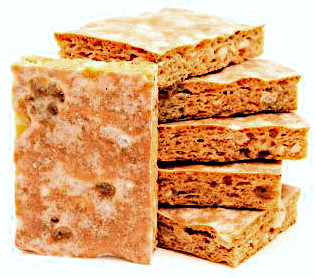
Basler Läckerli (meaning "scrumptious" from Basel)
Traditional cookies with a hard crust and chewy insides, made of honey, almonds, candied peel, and spices such as cinnamon, cloves and nutmeg. The dough is cut into rectangles while still hot, then a sugar glaze is added on top.
Basler Läckerli were originally created by local spice merchants over 700 years ago
Anisbrötli (Aniseed cookies)
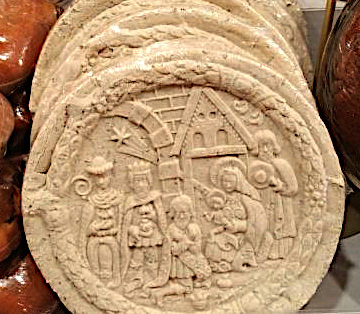
Another traditional Christmas delicacy from Basel
A type of cookie made with ground almonds, sugar, egg whites, and flavored with aniseed, often with an embossed design pressed on a mold, or shaped into “claw-like” crescents.
Very typical of the Basel region but also found all over Switzerland.
Nougat
A chewy confection made with sugar or honey, roasted nuts, whipped egg whites, and sometimes chopped candied fruit.
Probably originating from Central Asia, but popular throughout southern Europe.

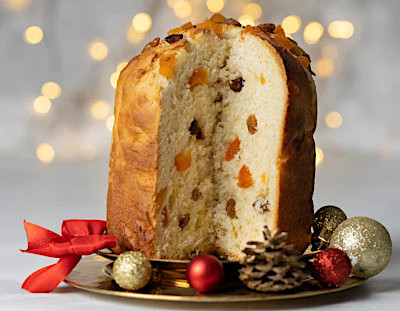
Panettone
Especially popular throughout Italian and French-speaking Switzerland at Christmas and New Year.
First produced by a Milanese baker in the early 20th century.
Grittibänz
Christmas bread men - sold throughout Switzerland especially around 5th and 6th December (St. Nicholas Day).
Made from a sweet, rich egg and milk dough—the same used for Zopf, or braided Sunday bread.
An egg wash right before baking gives them a golden glisten.

Lebkuchen
A traditionally German Christmas cake or cookie popular also in German-speaking Switzerland; similar to gingerbread.
The ingredients usually include honey and spices such as allspice, aniseed, coriander, ginger, cloves, and cardamom. Often topped with almonds or candied fruit, or icing.

The Tradition of Baking Christmas Cookies
In Switzerland Christmas cookies are known as Weihnachtsguetzli ; these treats are often baked as a family affair with multiple generations coming together to assist.
Also popular is the custom of "cookie exchanges" when neighbors, friends and colleagues trade batches of homemade cookies, a custom going back to lean times in the past when ingredients were costly and families relied on sharing.

Traditional home-baked cookies
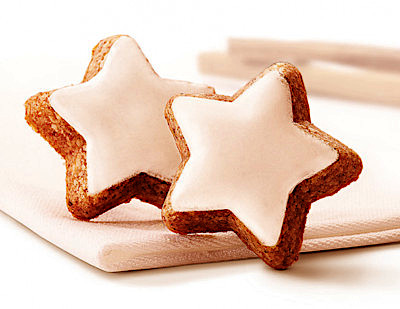
Zimtstärnli (Cinnamon Stars)
Cinnamon-spiced cookies, often decorated with white icing. They date back to 16th C when cinnamon was a precious imported spice.
Mailänderli
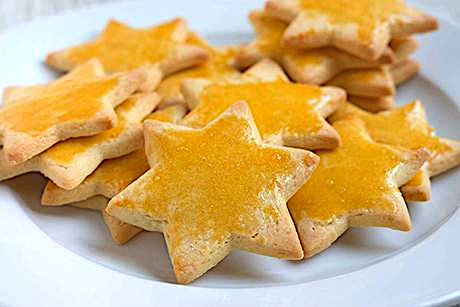
Lemon-flavored cookies, traditionally the first Christmas cookies baked by the children using cookie-cutters in vatious simple shapes (stars and hearts).
Brunsli (Chocolate spice cookies)
“Little Brown Cookies” originated in the 1700s; popular not only at Christmas time, but also served at festivals and weddings. They have a chewy texture and are lightly spiced.
